How to Repair Smart Garage Door Openers in 2025: A Comprehensive Guide
Smart garage door openers offer convenience and enhanced security for modern homes, but like any technology, they can develop issues requiring troubleshooting or repair. Whether your garage opener isn’t responding to the remote control or the motor unit is making unusual noises, understanding how to diagnose and fix common problems can save time and money. This guide provides step-by-step answers on repairing smart garage door openers, integrating essential components such as safety sensors, circuit boards, wiring harnesses, and more.
What Are the Common Issues with Smart Garage Door Openers?
Smart garage openers rely on a combination of mechanical and electronic parts, including the motor unit, remote control, safety sensors, power supply, fuse box, and wiring harness. Several typical problems can affect proper operation:
- Unresponsive Remote Control: Often caused by dead remote batteries or lost programming codes. Motor Unit Failure: Motor capacitor faults, worn gear assembly, or drive belt slippage can prevent the door from operating correctly. Safety Sensor Misalignment: Photo eyes that are dirty or out of alignment cause the door to reverse unexpectedly or not close fully. Power Supply Interruptions: Issues with the fuse box, voltage fluctuations, or damaged wiring harness can interrupt functioning. Circuit Board Problems: The control panel’s circuit board might malfunction due to electrical surges or component failure.
Identifying these symptoms early helps you focus repair efforts on the motor, electronics, or sensors effectively.
Our Sponsor
A1 Garage Doors Gold Coast
A1 Garage Doors Gold Coast is a Bundall-based garage door specialist serving the southern Gold Coast and surrounding suburbs with installation, repair, maintenance, and emergency garage door services. The company specializes in sectional doors, roller doors, garage door openers, spring and cable replacement, opener motor repair, smart-enabled installations, and 24/7 emergency call-outs across Robina, Burleigh Heads, Surfers Paradise, Nerang, Coomera, and the wider Gold Coast region.
Address:
1 Waterford Court,
Bundall,
QLD
4217,
Australia
Phone: (07) 5515 0277
Business Hours:
- Open 24/7 — Including After-Hours and Emergency Call-Outs
Follow Us:
How Can I Troubleshoot and Reset My Smart Garage Door Opener?
When your smart garage door opener behaves erratically or stops responding, following a systematic troubleshooting process is essential. Start with the troubleshooting guide or installation manual specific to your opener brand for detailed instructions.
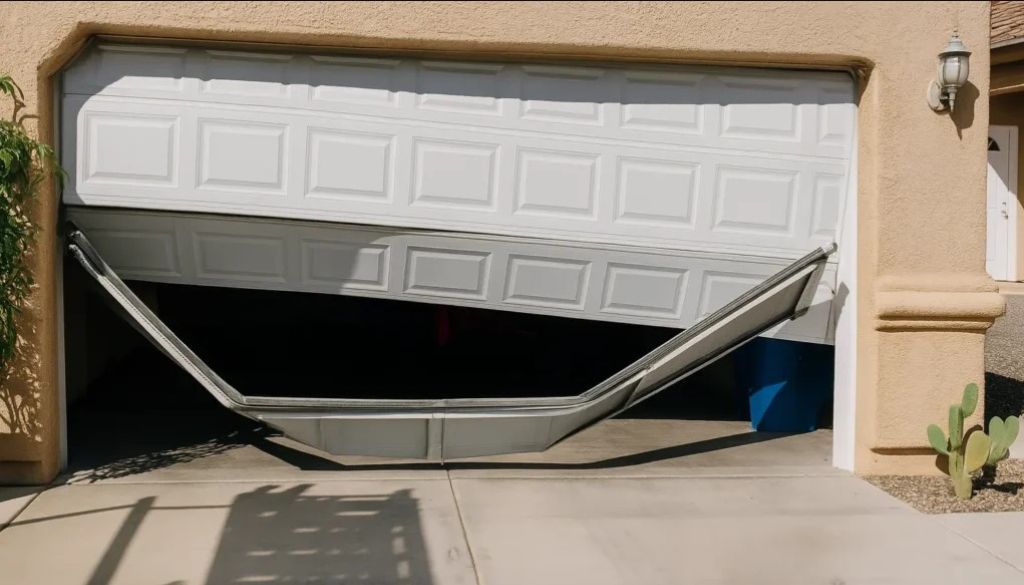
Steps to troubleshoot and reset your opener include:
- System Reset: Use the control panel to perform a reset or unplug the power supply briefly to reboot the system safely. Diagnostic Tools: Employ built-in diagnostic tools or external devices to scan for errors within the motor unit or circuit board. Firmware Update: Check for the latest firmware update via the control panel or connected app to fix bugs and enhance security features. Check Programming Code and Relay Switches: Verify that the programming code matches your remote control and ensure relay switches are functioning correctly.
Regular resets and firmware maintenance can reduce false alarms and improve opener responsiveness.
How Do I Repair or Replace Faulty Remote Controls and Keypads?
The remote control and keypad entry are vital interfaces for your smart garage opener. Common failures include dead batteries, signal loss, or programming errors, often related to rolling code security systems and transmission frequency mismatches.
Follow this protocol to restore functionality:
- Battery Replacement: Replace remote batteries promptly when the device becomes unresponsive. Reprogramming: Sync the remote or keypad entry by entering or resetting the correct programming code following the installation manual. Inspect Antenna Wire: A damaged or improperly mounted antenna wire weakens signal transmission; check and secure it to improve range. Check Transmission Frequency: Ensure your remote control operates on the compatible frequency with the receiver module to avoid interference.
If problems persist after these steps, consider replacing the remote control or keypad module.
How to Fix Motor Unit Problems Such as Strange Noises or Failure to Operate?
The motor unit is the heart of your garage opener. Noise and operational failures usually stem from worn mechanical parts or electrical malfunctions.
Address motor issues by:
- Inspecting Gear Assembly and Drive Belt: Worn gears or loose belts create grinding or squealing noises. Replace any damaged parts as necessary. Lubrication: Apply manufacturer-recommended lubricant to roller wheels, gear teeth, and hinges to reduce noise level and wear. Checking Motor Capacitor and Fuse Box: A faulty capacitor or blown fuse disrupts motor function. Test components with a voltage tester and replace if defective. Monitor Noise Level: Consistent strange sounds may indicate deeper mechanical failure requiring professional inspection.
Routine maintenance can prolong motor lifespan and prevent sudden breakdowns.
What Should I Do If the Garage Door Won’t Close Fully or Reverses Unexpectedly?
One of the most common issues smart garage openers experience is premature door reversing. The primary cause is typically a problem with safety sensors or incorrect force settings.
To resolve this:
- Check Safety Sensors (Photo Eyes): Clean lenses to remove dirt or spider webs and ensure sensor alignment using the installation manual guidelines. Adjust Force Settings: Increase or decrease the force adjustment controls on the control panel to prevent unnecessary reversal. Verify Door Balance: An imbalanced garage door puts excess strain on the opener. Manually move the door to test smoothness and balance. Confirm Limit Settings: Program the open/close limit settings accurately through the control panel to make sure the door stops at the correct positions.
A well-adjusted sensor and control system eliminate safety hazards and ensure reliable closure.
How to Inspect and Repair Mechanical Components Like Door Springs, Tracks, and Rollers?
The mechanical assembly supports safe and smooth garage door operation. Components such as door springs, track alignment, rollers, and hinge joints require regular inspection and occasional repairs.
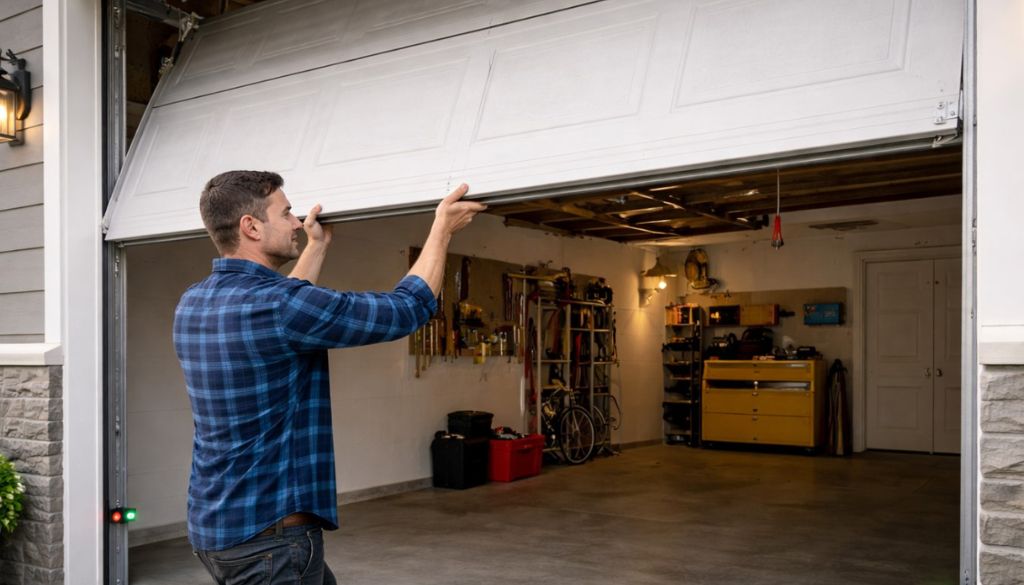
Key mechanical fixes include:
- Door Springs and Torsion Spring: Examine for cracks, rust, or flexing. Due to high tension risk, replace these springs only if qualified or hire a professional. Pulley System and Track Alignment: Ensure pulleys spin freely and tracks are aligned without bends or obstructions. Roller Wheels and Hinge Joints: Lubricate moving parts and replace worn rollers to minimize friction. Steel Cable and Mounting Bracket: Inspect cables for fraying and mounting brackets for looseness; tighten or replace as necessary.
Keeping mechanical parts in good condition reduces strain on the motor unit and improves door reliability.
How to Address Electrical Wiring and Circuit Board Faults?
Electrical issues are common culprits behind smart garage door opener failures. Problems with the circuit board, wiring harness, or grounding wires can disrupt communication between components.
Repair steps include:
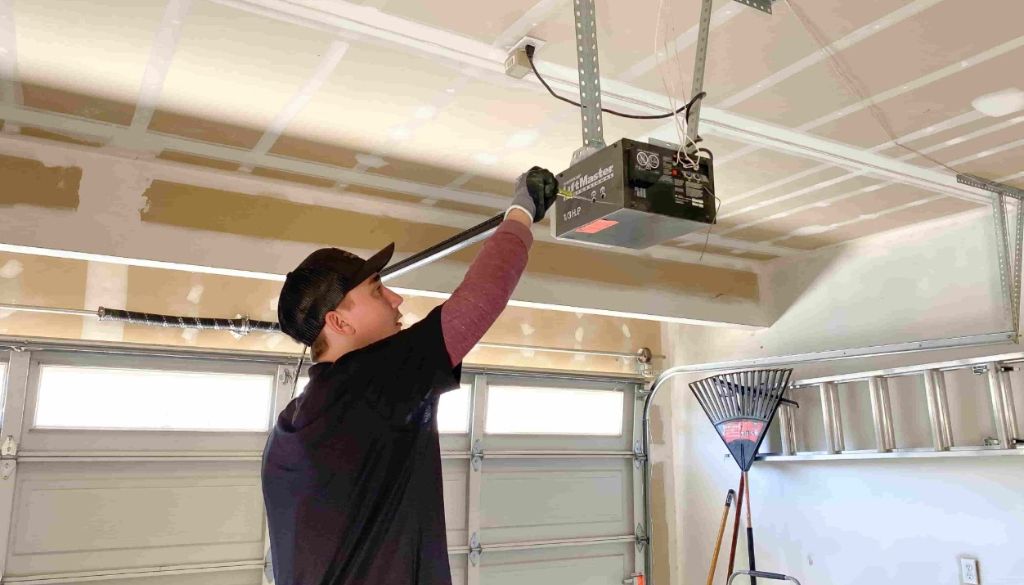
- Voltage Testing: Use a voltage tester to verify continuous power supply through the wiring harness and to the control panel. Inspect Wire Connectors: Look for corrosion, loose connections, or burnt marks and replace damaged connectors promptly. Check Grounding Wire: Proper grounding is critical for safety and performance; ensure grounding wires are intact and securely connected. Examine Circuit Board: Visual inspection for burn marks or swelling capacitors indicates damage. Replace the circuit board according to the installation manual when necessary. Test Relay Switches: Relay switches control electrical pulses; faulty relays may cause intermittent operation.
Addressing wiring and circuit faults requires careful attention to electrical safety standards. When in doubt, consult a professional electrician.
When and How Should I Perform a Firmware Update on My Smart Garage Door Opener?
Firmware updates keep your smart garage opener running smoothly by patching security vulnerabilities and improving features. Knowing when and how to update ensures optimal performance and safety compliance.
To perform a firmware update:
- Consult Installation Manual: Confirm update procedures specific to your opener brand and model. Use Control Panel or App: Initiate updates through the built-in control panel interface or compatible smartphone app. Utilize Diagnostic Tools: After updating, run a diagnostic tool to verify successful installation and check for residual errors. Security Features: Updates often include enhancements to rolling code encryption and Wi-Fi connectivity stability.
Regularly checking for firmware updates maintains seamless integration with smart home ecosystems.
How Can I Manually Operate My Garage Door During Power Outages or Emergencies?
Power failures or emergencies necessitate manual operation of your garage door to ensure access and safety. Nearly all smart openers have provisions for manual release.
Steps to manually operate your door include:
- Locate Emergency Release Cord: Usually a red cord attached to the trolley or track near the motor unit disengages the automatic opener. Pull Manual Release: Gently pull the cord to disconnect the motor’s drive from the door, allowing manual lifting or lowering. Follow Safety Guidelines: Avoid forcing the door to prevent damage. Seek assistance if the door is heavy or unbalanced. Reconnect: Once power is restored, reconnect the release mechanism by pulling the emergency release cord towards the door or re-engaging via the control panel.
Understanding your model’s manual release procedure beforehand is critical for emergencies.
How to Maintain and Prolong the Life of Smart Garage Door Openers?
Proper maintenance preserves your garage opener’s functionality and extends its lifespan. A routine maintenance schedule incorporating mechanical and electrical care is essential.
Maintenance best practices include:
- Regular Lubrication: Apply lubricant to roller wheels, hinge joints, gear assembly, and drive belts every six months. Inspect Electrical Components: Periodically check the wiring harness, circuit board, fuse box, and grounding wire for damage. Safety Sensor Cleaning and Alignment: Keep photo eyes free of debris and properly aligned to avoid malfunction. Clean Weather Seals and Door Panels: Remove dirt buildup around seals and panels to maintain door balance and prevent drafts.
Consistent maintenance reduces noise levels, prevents premature wear, and optimises energy efficiency.
How to Identify and Resolve Signal Interference for Smart Garage Door Openers?
Signal interference affects remote control response and can be caused by garage door sensor issues nearby Wi-Fi routers, other electronic devices, or improperly installed antenna wires.
To combat interference:
- Position Antenna Wire Correctly: Secure the antenna wire away from metal surfaces and electronic components. Frequency Adjustments: Check that the transmission frequency on your remote matches the receiver module to reduce conflicts. Use Diagnostic Tools: Measure signal strength and identify interference sources using specialized tools. Reduce Electronic Clutter: Move or shield devices causing electromagnetic noise near your garage opener.
Effective interference management ensures consistent remote performance and reliable operation.
When to Call a Professional for Your Smart Garage Door Opener Repair?
Certain repairs require garage door sensor troubleshooting expertise beyond DIY capabilities due to complexity or safety risks. Consulting a certified professional is advisable in cases such as:
- Torsion Spring Replacement: High tension in springs can cause serious injury if handled incorrectly. Complex Circuit Board Issues: Advanced diagnostics and soldering work often demand professional tools and knowledge. Motor Unit Failures: Persistent motor capacitor or gear assembly problems may require specialized repair or replacement. Wiring Harness Repairs: Extensive electrical rewiring must comply with safety standards and local codes.
Professional services also provide warranty support and ensure compliance with safety regulations.
Frequently Asked Questions (FAQ)
Q1: Why does my smart garage door opener stop responding to the remote?
A: This may be due to dead remote batteries, lost programming code, antenna wire damage, or signal interference. Replace batteries, reprogram the remote, and inspect antennas for best performance.
Q2: How often should I lubricate the garage door opener components?
A: garage door sensor repair Lubricate moving parts such as roller wheels, hinges, and chains every six months to prevent wear and reduce noise.
Q3: Can I replace a broken door spring myself?
A: It’s generally recommended to hire professionals for door spring replacement due to the high tension and potential danger involved.
Q4: What causes a garage door to reverse suddenly while closing?
A: Usually misaligned or dirty safety sensors cause premature reversing. Clean and realign the photo eyes for normal operation.
Q5: How do I know if my garage door opener needs a firmware update?
A: Check the manufacturer’s website or app notifications. Firmware updates improve security and functionality and are essential for smart devices.
Q6: What should I do if my garage door opener makes loud grinding noises?
A: Inspect the gear assembly, drive belt, and roller wheels for wear. Lubricate moving parts and replace any damaged components promptly.
Conclusion
Repairing smart garage door openers involves a combination of mechanical upkeep, electrical troubleshooting, and software maintenance. By understanding common issues from remote control failures to motor unit noise and safety sensor alignment, homeowners can effectively diagnose and address problems at home. Regular maintenance, firmware updates, and careful handling of high-risk components like door springs ensure long-lasting, secure operation. When challenges exceed DIY capabilities, consulting a professional technician remains the safest option. Embrace these tips to keep your smart garage opener functioning efficiently throughout 2025 and beyond.